


13 Oct Nothing to Hide, Nothing to Lose, Nothing to Prove
Good Morning,
A few days ago, I was speaking with my friend Pastor Doug from Buffalo, New York. He has this habit of dropping lines in conversation that stay with you long after the conversation ends. We were walking on the streets of Jerusalem, eating yet another oversized shawarma package, talking about life.
During one of our conversations, he said this phrase almost casually, “Nothing to hide, nothing to lose, nothing to prove.” He moved on quickly, but I was stuck. It was one of those phrases that sounded simple, yet the more I sat with it, the more I realised it captured something rare.
We live in a world obsessed with image, control, and validation. Young leaders especially feel this pull. You are told to guard your reputation, manage your brand, protect your opportunities, and make sure people see you as competent, impressive, and worthy of attention. But what if the path to real freedom runs in the opposite direction? What if strength is not in guarding but in letting go?
Pastor Doug’s threefold challenge offers us that path. Let’s walk through it slowly.
Nothing to Hide
There is a unique heaviness that comes with secrecy. It creeps into your posture, your relationships, even your sleep. Hiding feels safe at first. You think you are protecting yourself from shame or judgment. However, secrecy does not keep you safe; it keeps you alone.
I remember seasons where I worked so hard to present a polished version of myself. Mistakes got buried, doubts stayed unspoken, and weaknesses were covered. It looked strong from the outside, but inside it felt fragile. One unexpected question and the whole image could crumble. That is no way to live, and it is certainly no way to lead.
Integrity is not perfection. It is the alignment between your inner and outer world. Freedom starts when you choose to live in the light. That does not mean broadcasting your deepest struggles to the world, but it does mean letting trusted people see the real you. Leaders who can admit mistakes, ask for help, and laugh at their own flaws are often the ones people feel safest following. If you want to inspire trust, start by living in truth.

Nothing to Lose
Think about how tightly most of us cling to the things we have. It might be your reputation, your job title, your network, or even your possessions. The fear of losing these things drives more of our choices than we like to admit. We accept opportunities not because they fit our calling but because we are afraid of being left behind. We compromise on values to avoid criticism. We keep relationships shallow to avoid rejection.
However, clinging only shrinks us. You can have everything and still feel like you are one wrong move away from disaster. The leaders I admire most are those who live with open hands. They are not reckless, but they are free. They can risk it because their security is not tied to applause or bank balances. They can give because they are not calculating how much they might lose. They can step aside or step up because their worth does not depend on titles.
Jesus framed it starkly: whoever tries to save their life will lose it, but whoever gives it away will find it. Those words sound extreme until you see them embodied. The most generous, joyful people I know are those who stopped clutching and started releasing. When you realise you have nothing to lose, you become dangerous in the best sense. You can love boldly, speak honestly, and pursue vision with courage.
Nothing to Prove
This one cuts deepest for me. So much of leadership culture is driven by performance. Young leaders are especially vulnerable to the voice that says, “You are not enough until you achieve, impress, or outperform.” We hustle to prove our worth. We chase validation from mentors, peers, or invisible critics we imagine are watching us.
But proving yourself is a treadmill. No matter how fast you run, the finish line keeps moving. When you believe you are loved, called, and chosen as you are, the treadmill stops. That does not kill ambition or discipline. It frees them. You can work hard not because you are desperate to be seen, but because you already know who you are. You stop treating every room as an audition and start showing up as yourself.
Think about the difference this makes in practice. If you do not need to prove yourself, you can celebrate the success of others without envy. You can take feedback without crumbling. You can admit when you do not know the answer without spiralling into insecurity. You lead not from striving but from a settled centre.
It’s time to live free
Put these three postures together and you have a picture of rare freedom. Imagine living without the shadow of secrets, without the grip of fear, without the pressure of constant performance. It is not that challenges disappear. It is that you face them unburdened.
I keep replaying Pastor Doug’s words because they are simple enough to remember but deep enough to guide an entire way of life. Nothing to hide, nothing to lose, nothing to prove. The question is not whether the phrase sounds good. The question is what might change in your life if you lived it out.
So let me leave you with three questions to sit with this week. What are you still hiding that is weighing you down? What are you clutching so tightly that it has become a prison? And who are you still trying to prove yourself to, even though their opinion cannot define you?
For young leaders, the invitation is clear. Do not wait for age or position to practice freedom. Start now. Learn to live light, to live honest, to live secure. Because when you do, you are not just freeing yourself. You are modeling a way of life that gives permission to everyone around you.
True leadership is not about control. It is about courage. And courage begins when you realise you have nothing to hide, nothing to lose, and nothing to prove.
Have an amazing week
M.T. Omoniyi

1. 5 Must-Use Apps To TURBOCHARGE Your Productivity 2025
Want to get more done in less time? In this video, I break down 5 must-use apps that can seriously turbocharge your productivity. Whether you’re trying to organize your day, manage big projects, or simply stay focused, these tools will help you work smarter, not harder.
2. Debate Night: Can the use of force in political protest ever be justified?
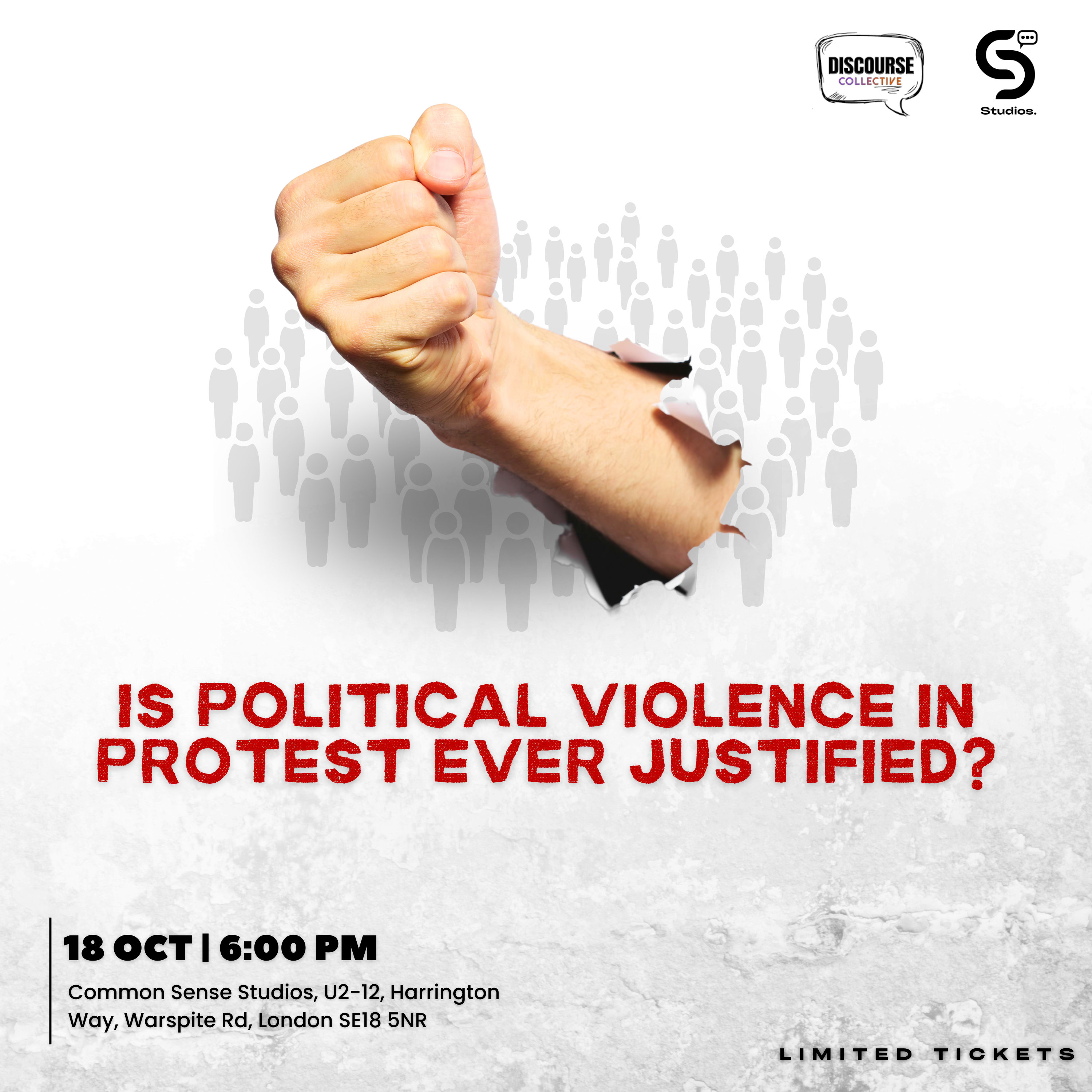
The past year has forced the world to confront political violence in real time. The killing of Charlie Kirk and attempts on President Trump’s life have raised hard questions about the state of democracy, dissent, and how far people will go when politics breaks down.
3 Dreams and Discipline: Men’s Conference

This one-day gathering is designed to help men think bigger about their lives and futures while grounding those dreams in the discipline required to make them real.
Through talks, discussions, and practical sessions, we’ll explore how ambition and self-control work hand in hand.