



10 Nov The Myth of the Self-Made Man
I’m currently on a plane back to London after spending a week in Israel contributing to the Christian Media Summit, exploring what peace in the Middle East looks like and how we can better report on the region. The past few days have been fast and full, darting from meeting to meeting, speeches to panels, and enjoying far too much falafel. Still, in the rare quiet moments I managed to find, in the lift rides to the sixth floor before the flurry of delegates arrived, or during quiet lunches while everyone else was out on excursions , I found myself deeply grateful.
How did I get here? How did I reach a point where I board more than thirty flights a year to speak and contribute at conferences? Where I return to the UK to find flourishing organisations, studios filled with talented and joyful people, and an inbox overflowing with opportunities?
There is a common answer to that question, one society has encouraged men to give over the years. The only problem is that it is a lie. In the next few paragraphs, I want to explore why that lie persists.

When I land back in London, I’ll be heading straight to Oxford to deliver a keynote to a hundred young adults on the topic of “HELP: How to Bring Your Projects to Life with Other People in Mind.” When the organiser sent me the theme, I smiled. It perfectly captures what I’ve been reflecting on this season, the myth of the self-made man and why believing it is not only misguided but dangerous. But first, it’s worth asking where that idea even came from.
The Self-Made Man
The phrase “self-made man” entered popular use in 1842 when the American statesman Henry Clay used it in a speech to the U.S. Senate. He was referring to individuals who, through hard work and determination, rose from humble beginnings to wealth and prominence without external help. The term quickly became central to the American Dream, the idea that anyone, regardless of birth or circumstance, could succeed purely by merit.
However, the concept draws from an older and broader school of thought known as the Great Man Theory of History, popularised by the Scottish philosopher Thomas Carlyle in the 1840s. Carlyle argued that history is shaped by the extraordinary actions of great men, heroes who possess unique courage, intellect, and leadership that move humanity forward. This idea fed directly into Western individualism, glorifying figures like Napoleon, Lincoln, and Churchill as almost self-creating forces of destiny.
Yet, modern scholarship and lived experience reveal the flaw. No one is truly self-made. Behind every so-called great man stands a constellation of unseen influences: mentors, communities, inherited systems, and privileges. The myth persists because it flatters ego, but history reminds us that even the mightiest rise on the shoulders of others.
Let me give you three examples that show how help often appears in the most unexpected places and how, after every major achievement, there is always a temptation to tell the story as if you were the lone hero. The fuller, truer story usually reveals something else: a web of people who opened doors, offered guidance, or quietly carried the load beside you.
Raising £50,000 In 50 days
In 2018, I was being interviewed by a national news outlet. They were praising me for having just raised over £50,000 in 50 days to start The Common Sense Network. The reporter spoke of my drive, my focus, my passion — all the usual words reserved for founders who supposedly willed their dreams into existence through grit alone. But they didn’t ask about the 120 people in the WhatsApp group who made it happen.

That group was our secret engine. We divided up lists and reached out to 100 news outlets, 100 influencers, and 100 celebrities to share our campaign to change the media. Most said no, or didn’t reply at all. But with every rejection, someone in the group would send a voice note or a joke to keep spirits high. We reminded each other why we started. Some reached out to their families, others to old teachers or youth leaders. Every pound raised had fingerprints from dozens of hands.
There was no way I could have done it alone. The story people told on television was tidy — one man with a mission. The real story was far messier and far more beautiful. It was a chorus of ordinary people believing in something bigger than any one of us, and choosing to help even when no one was watching
My BBC breakfast Appearance
My first appearance on BBC Breakfast felt like a defining moment. I remember texting my mum the night before, telling her to tune in because I’d be on television the next morning. I was being interviewed about social integration in the UK, following a new report by Dame Louise Casey. To many, it looked like a natural reward for years spent working in the social integration space — helping people from different backgrounds and perspectives come together to understand one another. That was partly true. But the real story was more textured.
A few weeks earlier, I had been reaching out to several people at the BBC. We wanted to raise the profile of The Common Sense Network, and I was determined to find someone willing to listen. After a string of polite rejections, a mid-level executive finally replied and said he would introduce me to a presenter who might be interested. That presenter turned out to be Adrian Chiles, one of the most well-known broadcasters in the country at the time.
Adrian didn’t owe me anything, yet he took an interest in what we were building. He agreed to speak at one of our university events, which instantly elevated our credibility. Later, he invited me several times onto his BBC Radio 5 Live show, “Five Live Extra Time.” One of those appearances caught the attention of a BBC Breakfast producer who eventually invited me to appear on the show.
From the outside, it might have looked like things just fell into place, a young man’s hard work finally paying off. But that tidy version hides the truth. Behind the scenes, someone opened a door, someone made an introduction, and someone took a chance on me when they didn’t have to. Every “break” I’ve ever had has started with someone else’s generosity.
My Saudi Arabia Keynote
My invitation to speak in Saudi Arabia came in the most surprising way. Months before, I had given a talk at a local school in London. It was a small event — a few dozen students in a modest hall, no cameras, no journalists, just an honest conversation about leadership and courage. I didn’t think much of it at the time. But someone sitting quietly at the back did. A few weeks later, they reached out and said they were involved in organising a global youth forum in Saudi Arabia and had shared my talk with their team.
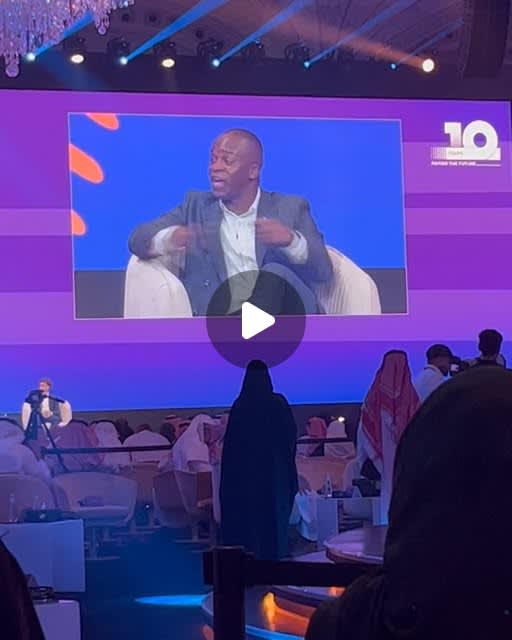
That simple moment, one person deciding to pass my name along, set off a chain reaction. Before I knew it, I was invited to give the opening keynote at a major conference in Riyadh, one attended by world leaders, diplomats, and innovators. The event was organised under the patronage of the Crown Prince himself. Standing on that stage, halfway across the world, I couldn’t help but think of the small London classroom where it all began.
One story might have painted me as the self-made man who spoke his way to global stages. The truth is simpler and far more humbling: someone noticed, someone remembered, and someone helped me get there.
If there’s one thing all these stories share, it’s that behind every personal triumph lies a community of quiet contributors. The myth of the self-made man endures because it flatters our pride. It allows us to edit out the mentors, friends, teachers, colleagues, and strangers who made space for us to grow. But the real story, the one worth telling, is that no one climbs alone. Every achievement is the product of shared faith, borrowed belief, and the kindness of others who pushed, prayed, or paved the way. The strongest people I know aren’t self-made. They’re community-made.
Have an amazing week
M.T. Omoniyi

Debate Night: Has Trump Brought Peace to the Middle East?
Join us for a live recording and debate of The Common Sense Network’s next big conversation, where leading thinkers, policy experts, and commentators will debate what Trump’s peace plan really achieved. Was it justice for Palestinians? Was it justice for Jews? Or was it a fragile truce built on imbalance and power politics?

Dreams and Discipline: Men’s Conference
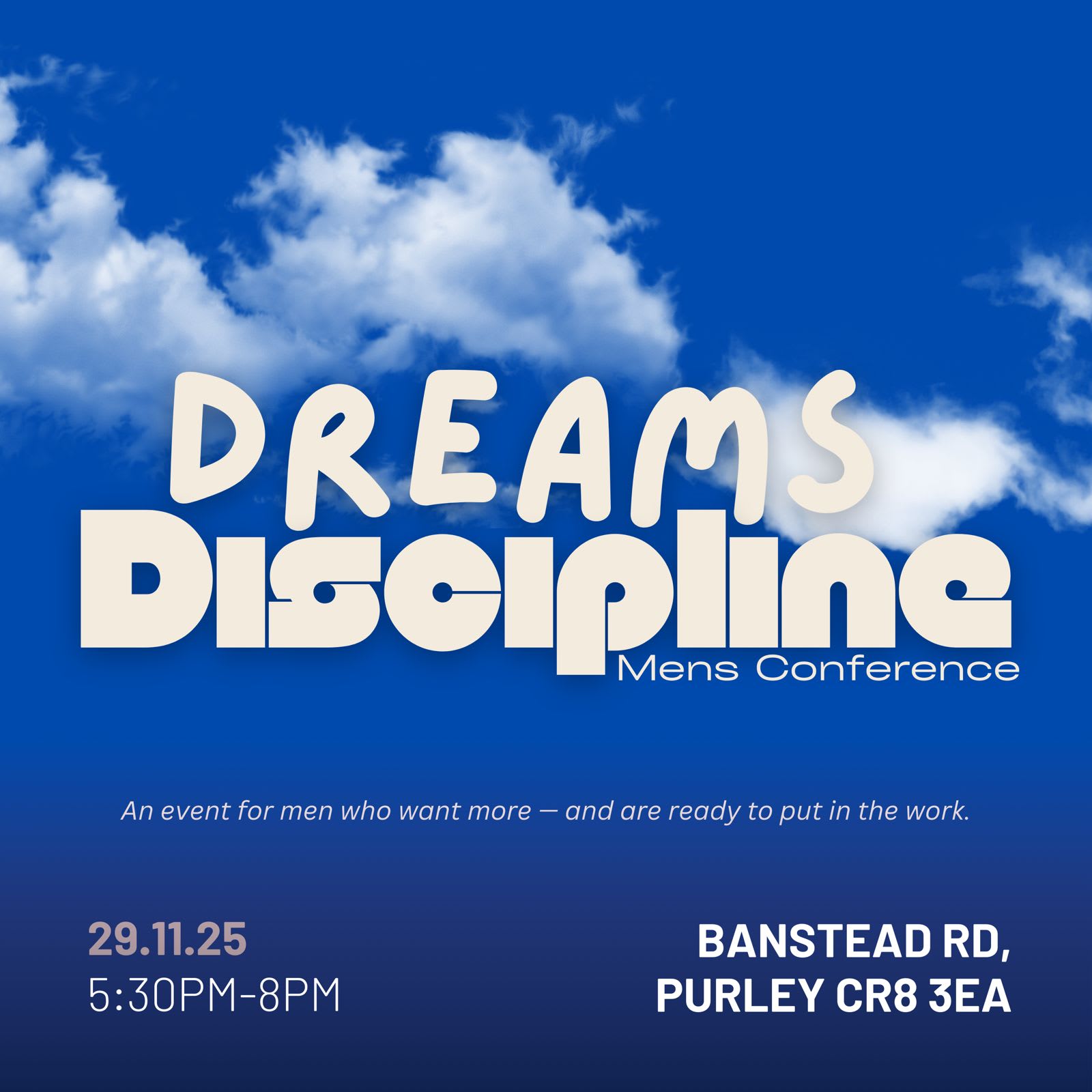
This one-day gathering is designed to help men think bigger about their lives and futures while grounding those dreams in the discipline required to make them real.
Through talks, discussions, and practical sessions, we’ll explore how ambition and self-control work hand in hand.